Country estates are an integral part of the Spanish countryside’s landscape and traditions. In recent years, in addition to their use for farming or livestock, many people have begun to take an interest in them as investments, rural homes or tourism projects.
However, not all estates are the same. Depending on their characteristics, location and planning regulations, an estate can be used for different purposes.
In this article, we explain the different types of rural properties available in Spain and what they can be used for – essential information whether you’re thinking of buying a property or simply want to learn more about rural life.
What is a rural property?
A rural property is a plot of land situated on non-developable land, generally used for activities related to the countryside, such as agriculture, livestock farming or forestry.
These properties are usually found outside urban areas and may include:
- Agricultural or natural land
- Rural dwellings or farmhouses
- Livestock facilities
- Stables or barns
- Woodlands or grazing land
Each property has different characteristics, so its use will depend on the type of land, its size, local regulations and the available infrastructure.
Types of rural properties and their uses
1. Farmland
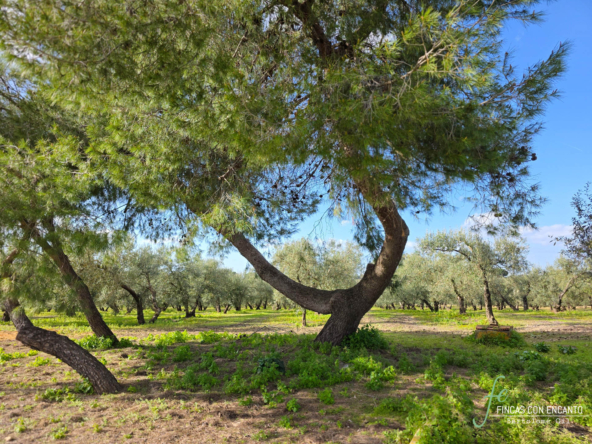
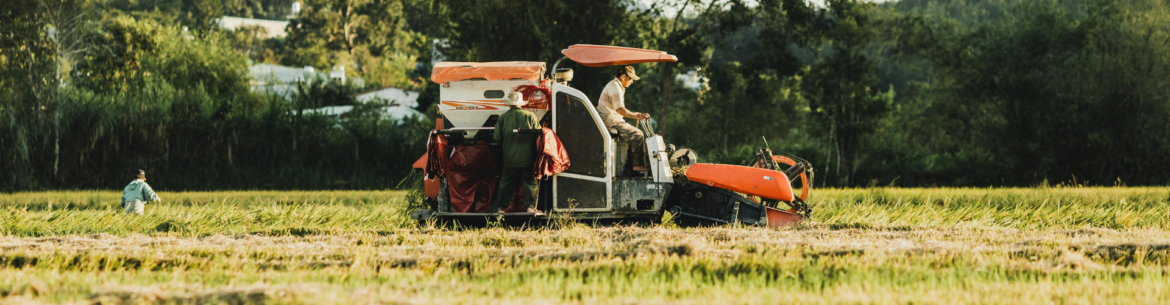
Agricultural estates are properties primarily used for farming.
In Spain, it is very common to find estates dedicated to:
- Olive groves
- Vineyards
- Almond grovesOrchards and vegetable crops
- Citrus or fruit plantations
These properties can be used for professional agricultural production, but also for smaller-scale projects such as organic farming or small-scale production.
In some cases, they are also combined with agritourism, allowing visitors to experience rural life and learn about the farming process.
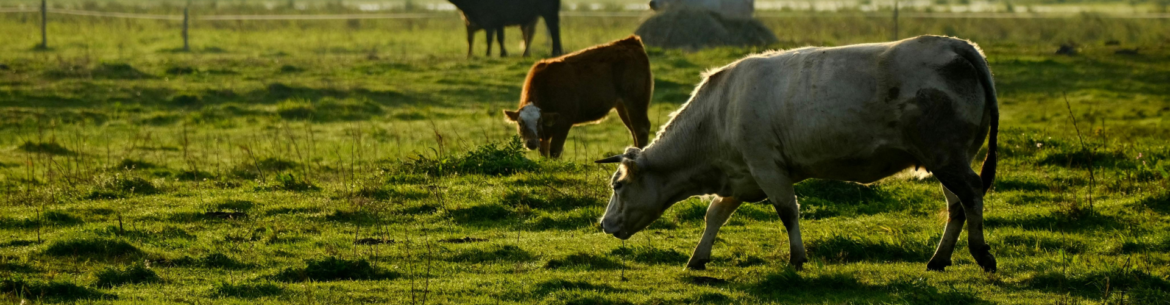
2. Fincas ganaderas
Livestock farms are designed for the rearing and care of animals.
They usually have large tracts of land and areas of natural pasture for animals such as:
- Cows
- Sheep
- Goats
- Fighting bulls
- Iberian pigs
These types of farms need access to water, suitable fencing and sufficient land for grazing.
Many livestock farms also combine their activities with the production of traditional foods such as cheese, meat or artisanal cured meats.
3. Horse-riding estates
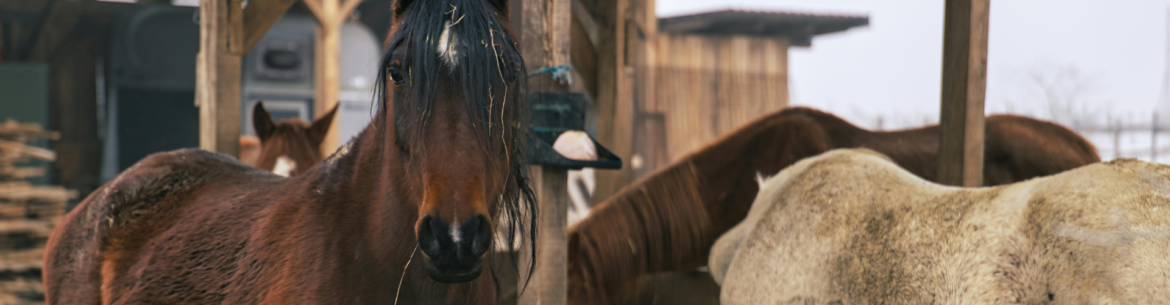
Equestrian estates specialise in the care, training or breeding of horses.
This type of property usually includes specific facilities such as:
- Stables
- Training arenas
- Paddocks
- Riding trails
- Meadows or pastures
Equestrian estates can be used for various purposes:
- Horse breeding
- Riding centres
- Equestrian tourism
- Training and competition
- Private use for horse lovers
In many parts of Spain, particularly in Andalusia, these types of estates are highly valued by both professionals and enthusiasts in the equestrian world.
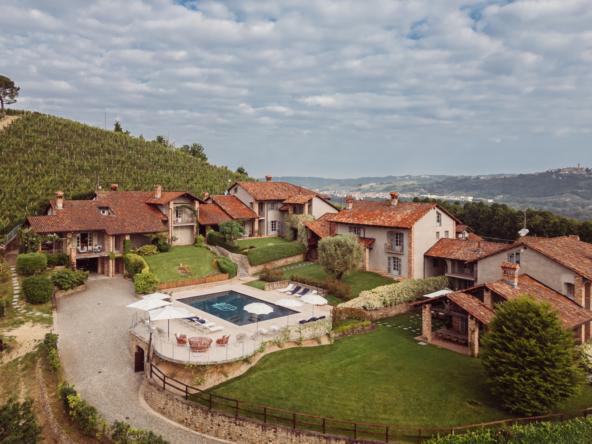
4. Rural holiday cottages
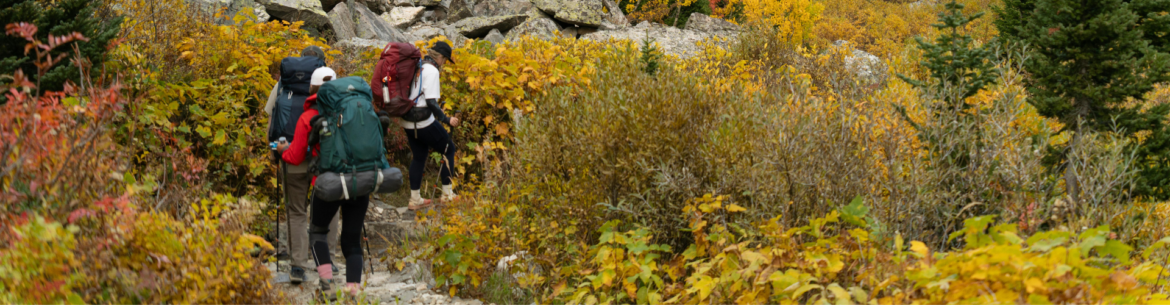
Rural tourism has grown enormously in recent years, leading to many country estates being converted into tourist accommodation or event venues.
These estates typically include a main house or several buildings that have been adapted to accommodate visitors.
Possible uses include:
- Country cottages
- Boutique hotels in the countryside
- Retreats or wellness centres
- Venues for weddings and celebrations
- Agritourism experiences
This type of property can be an attractive investment, particularly in areas of natural or cultural interest.
5. Hunting estates
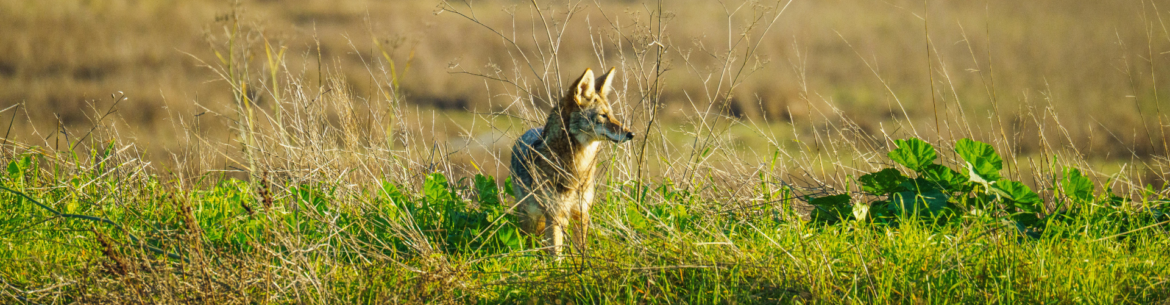
Hunting estates are designed for controlled hunting activities.
They are usually large tracts of land where animal species and the natural environment are managed for activities such as:
- Big game hunting (deer, wild boar)
- Small game hunting (partridge, rabbit, hare)
In addition to hunting, these estates are also used for wildlife conservation and the management of the rural ecosystem.
They often include country cottages or accommodation for visitors.
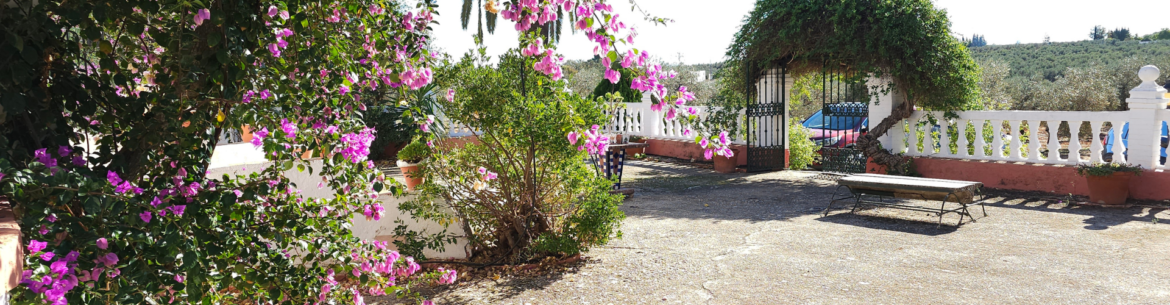
6. Residential or holiday properties
More and more people are looking for country estates simply to live in the countryside or enjoy a second home.
These properties usually feature:
- A main house
- Gardens or courtyards
- A swimming pool
- Natural areas or woodland
The main purpose of these estates is not commercial exploitation, but to enjoy a peaceful lifestyle, surrounded by nature and far from the hustle and bustle of the city.
7. Mixed farms
Many properties combine several uses at the same time; this is known as a mixed-use property.
For example, a single property may include:
- A main residence
- A small farm
- Equestrian facilities
- Rural accommodation
These types of properties offer great flexibility and allow for the development of different projects on a single site.
What to consider before buying a property
Before buying a rural property, it is important to consider several key factors:
- Local planning regulations
- Access to water and electricity
- Land registry and cadastral records
- Access via roads or tracks
- Potential for commercial use
Every property has its own unique characteristics, so it is advisable to thoroughly assess the land and its potential before making a decision.
Conclusion
Country estates offer a wide range of possibilities, from agricultural or livestock projects to rural tourism, equestrian activities or simply a peaceful life in the countryside.
Choosing the right type of estate will depend on your lifestyle or the project you wish to undertake. That is why it is important to understand the various options available and assess which type of property best suits your objectives.
If you’re thinking of buying a country property, exploring different types of properties can help you discover unique opportunities in the countryside. Explore our latest properties and find yours by clicking here.